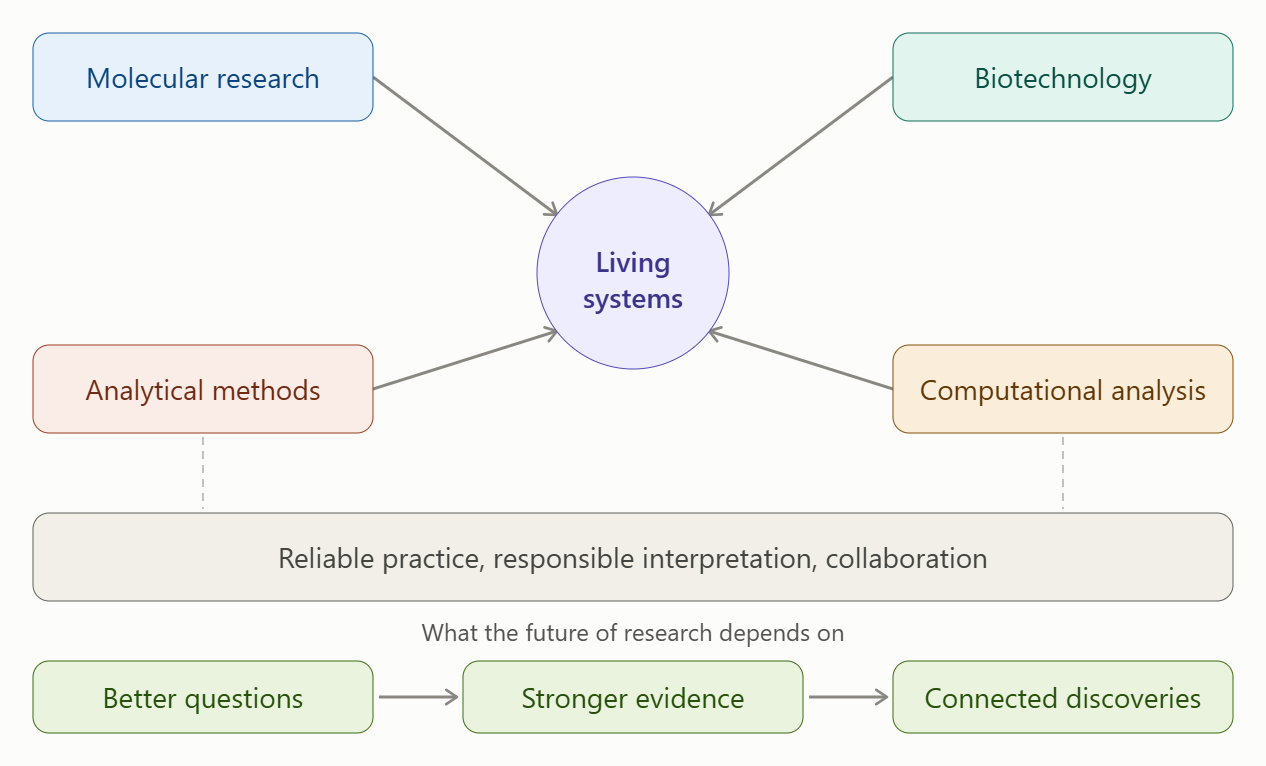
Biological innovation is reshaping the way scientists investigate living systems, interpret molecular processes, and explore new possibilities across modern life sciences. Advances in molecular biology, biotechnology, bioinformatics, and analytical science are creating new approaches to understanding biological complexity. By combining experimental methods with computational tools and interdisciplinary knowledge, researchers can investigate biological mechanisms from multiple perspectives.
The evolution of biological research depends on more than technological progress. It also requires reliable experimental design, reproducible results, critical interpretation, and collaboration between scientific disciplines. Together, these elements contribute to a deeper understanding of biological processes and the development of new research directions.
1. Molecular Biology: Exploring the Mechanisms of Life
Molecular biology provides essential insights into the mechanisms that regulate cellular activity. The interactions between DNA, RNA, proteins, and regulatory molecules influence gene expression, cellular communication, and biological adaptation.
Recent methodological developments have expanded the possibilities for studying these interactions. Improved molecular analysis techniques allow researchers to examine gene regulation, characterize biological molecules, and investigate differences between experimental conditions.
Understanding molecular mechanisms also requires consideration of the broader cellular environment. Individual molecules rarely act independently; instead, they participate in interconnected networks that coordinate biological functions. Examining these relationships helps researchers develop more comprehensive models of living systems.

2. Biotechnology and New Scientific Applications
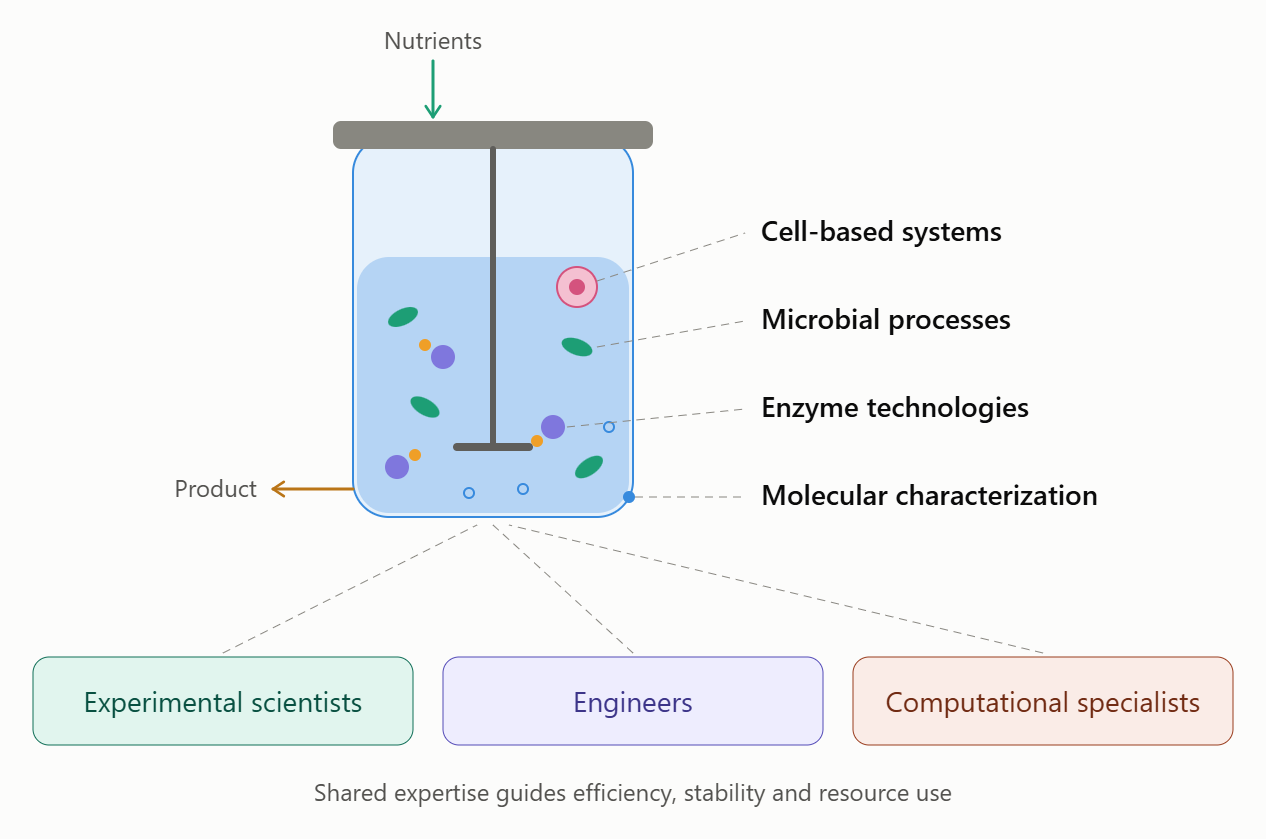
Biotechnology connects biological knowledge with technological methods to investigate biological materials and develop practical applications. Its scope includes microbial processes, enzyme technologies, molecular characterization, cell-based systems, and the study of biological resources.
One important direction involves improving the efficiency and precision of biological processes. Researchers investigate how enzymes, microorganisms, and cellular systems can contribute to scientific and industrial applications while considering resource requirements, process stability, and environmental factors.
Biotechnology also benefits from collaboration between experimental scientists, engineers, and computational specialists. This combination of expertise supports the development of analytical strategies and the evaluation of new approaches to biological challenges.
3. Bioinformatics and the Interpretation of Biological Data
The expansion of genomic, transcriptomic, and proteomic research has created a growing need for effective data analysis. Bioinformatics addresses this challenge by combining biological knowledge, statistical methods, and computational tools.
Sequence analysis can help identify genetic similarities and differences, while transcriptomic approaches examine patterns of gene expression across biological conditions. Protein analysis and molecular databases provide additional information about biological functions and potential interactions.
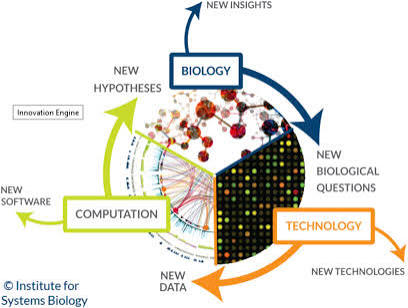
Computational analysis does not replace experimental validation. Instead, it helps researchers identify patterns, formulate hypotheses, and prioritize questions that can be investigated through further experiments.
The integration of computational and experimental methods is becoming increasingly important for interpreting complex datasets and improving the organization of biological research.

4. Cellular Biology and the Complexity of Living Systems
Cells function through coordinated networks of molecular interactions, metabolic reactions, and signaling pathways. These networks regulate essential processes such as growth, differentiation, communication, and adaptation to environmental changes.
Modern cellular research investigates how different components interact to maintain biological organization. Imaging techniques, molecular assays, and biochemical measurements provide complementary information about cellular structure and function.
A particularly important area is the study of cellular responses to stress. Oxidative processes, inflammatory signaling, mitochondrial activity, and antioxidant mechanisms can influence cellular behavior. Understanding their interactions requires carefully designed experiments and appropriate controls.
By combining observations from different analytical approaches, researchers can develop a more detailed understanding of cellular regulation and biological variability.
5. Analytical Technologies Supporting Scientific Discovery
Analytical technologies play an essential role in biological research by enabling the identification, measurement, and characterization of molecules in complex samples.
Chromatographic techniques separate chemical components, while mass spectrometry provides information that can support molecular identification and characterization. Spectroscopic methods, biochemical assays, and molecular techniques offer additional perspectives on biological samples.

The reliability of analytical results depends on appropriate sample preparation, calibration, method validation, and quality control. Researchers must also consider detection limits, measurement uncertainty, and possible sources of experimental variation.
Combining complementary techniques can strengthen scientific interpretation by providing different types of evidence about the same biological question.
6. Systems Biology and Interconnected Biological Networks
Systems biology examines biological processes as interconnected networks rather than isolated events. This approach considers how genes, proteins, metabolites, and environmental signals interact to influence the behavior of biological systems.
Network analysis can reveal relationships between molecular components and help researchers investigate how changes in one pathway may influence other processes. Mathematical models and computational simulations can also be used to explore possible biological outcomes and generate testable hypotheses.
Although these models can provide valuable insights, their reliability depends on the quality of the underlying data and the assumptions used to construct them. Experimental validation remains necessary to assess whether predicted relationships accurately reflect biological behavior.
7. Sustainable Approaches to Biological Innovation
Sustainability is an increasingly important consideration in biotechnology and applied biological research. Scientists investigate renewable biological resources, microbial production systems, enzyme-based processes, and biodegradable materials as potential alternatives for specific industrial applications.
Microorganisms can contribute to the transformation of organic materials, while enzymes may support chemical reactions under selected conditions. Biological materials are also being investigated for applications in agriculture, environmental management, and materials development.
Evaluating these approaches requires a balanced assessment of performance, resource consumption, process limitations, and environmental impact. Scientific evidence is essential for determining when a biological solution offers meaningful advantages over conventional alternatives.

8. Reproducibility and Responsible Scientific Research
Scientific innovation depends on trustworthy evidence. Clear documentation, appropriate experimental controls, sufficient replication, and transparent reporting help researchers assess the reliability of their findings.
Reproducibility is particularly important when investigating complex biological systems, where results may be influenced by experimental conditions, sample variability, and methodological differences.
Researchers must also distinguish between preliminary observations and conclusions supported by repeated investigation. Statistical analysis, independent validation, and critical evaluation help establish the strength and limitations of scientific evidence.
Responsible research practices improve the interpretation of findings and support the accumulation of reliable scientific knowledge.
9. Interdisciplinary Collaboration and Future Research Directions
The future of biological innovation will increasingly depend on collaboration between molecular biologists, biochemists, microbiologists, bioinformaticians, and analytical scientists.
Each discipline contributes specialized knowledge and complementary methods. Molecular analysis can identify biological components, computational approaches can reveal patterns, and biochemical techniques can help characterize functional relationships.
Artificial intelligence and machine learning are also being explored for applications such as biological image analysis, molecular data interpretation, and the identification of patterns in large datasets. Their usefulness depends on data quality, appropriate validation, and careful consideration of algorithmic limitations.
Combining scientific expertise with emerging technologies creates opportunities to investigate complex questions while maintaining a strong focus on evidence and methodological rigor.
Advancing Biological Knowledge Through Innovation
Biological innovation is developing through the interaction of molecular research, biotechnology, computational analysis, and advanced analytical methods. These fields provide complementary tools for investigating living systems, understanding biological mechanisms, and exploring potential scientific applications.
Continued progress requires reliable experimental practices, responsible interpretation, and collaboration across scientific disciplines. By integrating established knowledge with emerging methods, researchers can develop new perspectives on biological complexity and contribute to the evolution of modern life sciences.
The future of biological research will depend not only on new technologies but also on the quality of the questions scientists ask, the strength of the evidence they generate, and their ability to connect discoveries across disciplines.