
Advanced Life Science Exploration and Novel Applications

Exploring the Foundations of Modern Life Sciences
Understanding biological systems requires a comprehensive view of the structures, processes, and interactions that define living organisms. Modern life sciences integrate knowledge from cellular biology, biochemistry, genetics, microbiology, and molecular research to explain biological phenomena at different levels.
These disciplines provide complementary perspectives on how cells function, how biological molecules interact, how organisms respond to environmental conditions, and how complex systems maintain their organization.

Molecular Biology and Biological Mechanisms
Molecular biology examines the molecular foundations of life, including DNA, RNA, proteins, and the regulatory processes that influence cellular activity. Studying these components helps researchers investigate gene expression, molecular signaling, protein function, and the relationships between biological structure and activity.
Advances in molecular techniques continue to expand the possibilities for studying biological mechanisms with greater precision. These approaches support the investigation of cellular regulation, molecular interactions, and the complex networks responsible for coordinating biological functions.

Biochemistry and Cellular Interactions
Biochemistry explores the chemical reactions and molecular transformations that occur within living systems. Enzymatic activity, metabolic pathways, membrane transport, and cellular signaling represent important areas for understanding the relationships between molecular composition and biological function.
By examining these processes, researchers can develop a more integrated understanding of cellular organization and the biochemical mechanisms that influence biological responses.

Microbiology and Biological Diversity
Microbiology investigates microorganisms and their relationships with other organisms and the surrounding environment. Bacteria, fungi, and other microscopic life forms contribute to ecological balance, nutrient cycling, industrial processes, and numerous biological interactions.
Research in this field supports a deeper understanding of microbial diversity, environmental adaptation, biological production, and the complex relationships that exist between microorganisms and their habitats.


Investigating Cellular Systems and Molecular Complexity
Cells are dynamic biological systems composed of interconnected structures, regulatory networks, and biochemical pathways. Their behavior reflects interactions between genetic information, proteins, metabolites, membranes, and environmental signals.
Understanding these interactions requires analytical methods capable of examining biological processes at multiple levels. Molecular biology and cellular analysis provide complementary tools for investigating the mechanisms that influence cell growth, differentiation, communication, and adaptation.


Cellular Regulation and Signaling Networks
Cellular signaling allows biological systems to detect and respond to internal and external changes. Signaling molecules, receptors, enzymes, and regulatory proteins coordinate responses that influence cellular activity and tissue organization.
Investigating these networks helps researchers understand how biological signals are transmitted, how regulatory pathways interact, and how changes in one component may influence wider cellular processes.

Gene Expression and Molecular Regulation
Gene expression determines how genetic information is used to produce functional RNA molecules and proteins. Its regulation involves transcription factors, epigenetic mechanisms, RNA processing, and multiple layers of cellular control.
Research into gene expression provides insight into biological development, cellular specialization, adaptation, and the molecular basis of differences between biological conditions.

Oxidative Processes and Cellular Responses
Oxidative processes participate in normal cellular signaling and metabolism. Their regulation is connected to antioxidant systems, mitochondrial activity, inflammatory signaling, and cellular responses to environmental stress.
Examining these mechanisms requires appropriate experimental controls and carefully selected analytical methods. A detailed understanding of oxidative biology contributes to broader investigations of cellular homeostasis and biological adaptation.
Analytical Technologies and Scientific Characterization
Reliable biological research depends on analytical approaches that generate interpretable and reproducible information. Analytical technologies support the identification, measurement, and characterization of biological molecules, cellular components, and experimental samples.
Different methods provide different types of information. Selecting an appropriate technique depends on the research question, sample characteristics, analytical objectives, and limitations of the available methodology.
Molecular and Biochemical Analysis
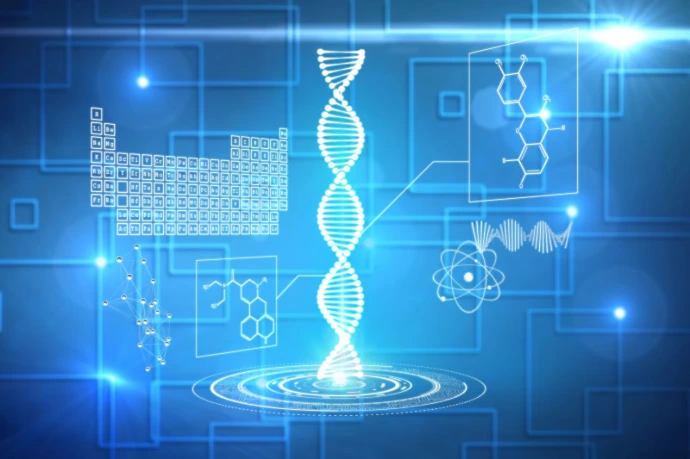
Molecular and biochemical techniques allow researchers to examine nucleic acids, proteins, enzymes, and metabolites. Depending on the application, these methods may provide information about molecular identity, abundance, structure, or biological activity.
The combination of complementary analytical approaches can strengthen the interpretation of experimental findings and help distinguish between different biological mechanisms.
Chromatographic and Spectrometric Approaches
Chromatography and mass spectrometry are important analytical technologies for separating, identifying, and characterizing chemical components in complex samples. Their applications extend across natural products research, metabolite analysis, biochemical characterization, and the investigation of biological materials.
Method development, calibration, sample preparation, and appropriate quality controls remain essential considerations when interpreting analytical results.
Experimental Design and Data Reliability
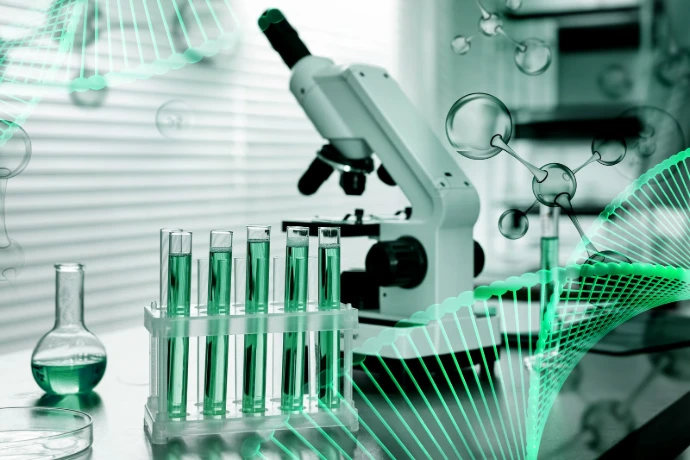
Scientific conclusions depend not only on the instruments used but also on the quality of experimental design and data interpretation. Appropriate controls, biological and technical replicates, validated procedures, and transparent reporting contribute to the reliability of research findings.
Statistical analysis and critical evaluation help determine whether observed differences are meaningful and whether the evidence supports the proposed interpretation.
Emerging Directions in Biological Innovation
The life sciences continue to evolve through the integration of experimental biology, computational analysis, advanced instrumentation, and interdisciplinary collaboration. These developments create new opportunities to study biological complexity and explore previously inaccessible questions.Learn more
Bioinformatics and Biological Data Interpretation
Bioinformatics combines biological knowledge with computational methods to analyze molecular and genomic information. Sequence analysis, gene expression studies, comparative genomics, and biological database exploration help researchers identify patterns within large and complex datasets.
Computational approaches can complement experimental work by generating hypotheses, highlighting molecular relationships, and supporting the interpretation of biological observations.
Systems Biology and Integrated Research
Systems biology examines biological processes as interconnected networks rather than isolated components. By combining molecular, cellular, and computational perspectives, researchers can investigate how interactions between multiple elements influence the behavior of an entire system.
This integrated approach supports the study of metabolic networks, gene regulatory systems, cellular signaling, and biological responses to changing conditions.
Sustainable Biotechnology and Biological Resources
Biotechnology also contributes to the exploration of sustainable approaches for using biological resources. Microbial processes, enzyme-based technologies, biological materials, and renewable feedstocks are among the areas investigated for their potential role in industrial and environmental applications.
Scientific evaluation remains important for understanding process efficiency, resource requirements, environmental implications, and the limitations associated with different technologies.

Scientific Quality, Reproducibility, and Responsible Research
Scientific progress depends on the reliability of evidence and the responsible application of research methods. Reproducibility, transparent reporting, appropriate documentation, and critical assessment are essential elements of a strong scientific culture.
Researchers must consider methodological limitations, potential sources of bias, and the difference between an observed association and a demonstrated causal relationship.
Responsible scientific communication also requires distinguishing established findings from emerging hypotheses. Clear explanations of experimental methods and evidence help readers evaluate the significance of research results and understand their appropriate context.
Accuracy, methodological awareness, and continuous learning are essential to the development of reliable scientific knowledge across biological disciplines.
Building Connections Across Scientific Disciplines
Complex biological questions rarely belong to a single scientific field. Molecular biology benefits from biochemical analysis, microbiology draws on genetics and ecology, and biotechnology increasingly incorporates computational methods and materials science.
Interdisciplinary collaboration allows researchers to combine complementary expertise, compare different interpretations, and develop more comprehensive approaches to scientific problems.
Exchanging scientific knowledge also supports the development of analytical skills, the refinement of experimental strategies, and the identification of promising research directions.
A broad life science perspective highlights the importance of connecting biological concepts, analytical technologies, and emerging applications in a continuously developing scientific landscape.
Looking Ahead: The Future of Life Science Exploration
Future developments in life science research will continue to depend on the integration of reliable experimental methods, advanced analytical technologies, and interdisciplinary thinking. Improvements in molecular characterization, computational biology, biological imaging, and data interpretation are expanding the range of questions that researchers can investigate.
At the same time, scientific progress requires careful evaluation of evidence, appropriate validation, and an understanding of the technical and biological limitations associated with new approaches.
Exploring these developments creates opportunities to strengthen biological knowledge, investigate complex mechanisms, and identify new directions for biotechnology and applied scientific research.
The continuing evolution of life sciences demonstrates the importance of curiosity, rigorous investigation, and collaboration in advancing our understanding of biological systems.